
Whiskey, a timeless spirit with centuries of history, continues to captivate and endure for good reason. While it maintains its core foundation of three essential ingredients, the industry must consistently evolve and adapt to satisfy the ever-changing demands of a growing consumer base. Throughout many of our articles on the WoL, we have explored whiskies that have demonstrated unique abilities to distinguish themselves through innovation amidst the multitude of emerging distilleries. Yet, what strategies can distilleries employ to genuinely equip themselves for success in this competitive landscape?

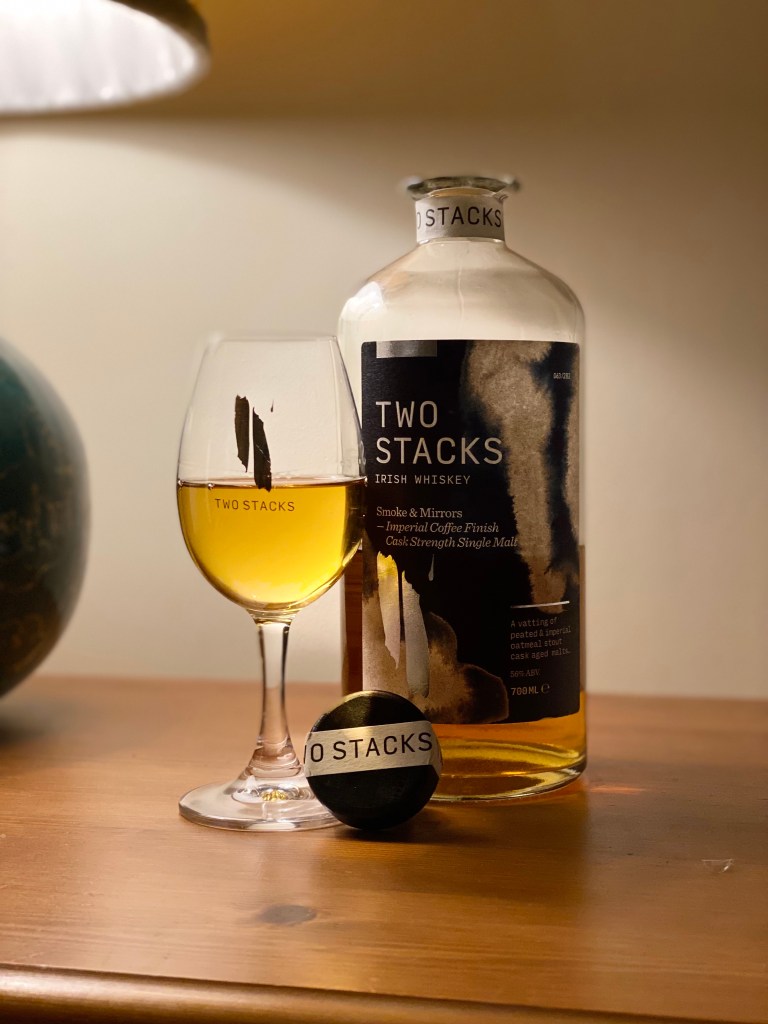
First and foremost, let’s examine the array of existing key innovations that demonstrate current ingenuity. Among the most accessible and widely adopted methods is the exploration of distillation techniques and flavour profiles with regard to maturation. However, it is important to note that delving into different distillation techniques can be somewhat challenging for distillers due to regulations dictating the labelling of the resulting spirits. An intriguing illustration of this can be found in Copper Rivet’s Masthouse whisky, which inventively combines a column still with a copper pot to produce a distinctive spirit. Additionally, the utilisation of diverse and exotic casks has long been common practice, but it has recently gained more prominence. Examples on the WoL of this approach include Two Stacks’ Ice wine cask and cherry brandy casks, as well as Mackmyra’s mulled wine casks, all of which contribute to the creation of interesting and innovative spirits. These two techniques are a common method, but we are still witnessing more and more variations!

Increased awareness of the environment and climate change has prompted us to embrace greener practices and strive for greater sustainability, in turn driving innovation. Notably, Two Stacks has introduced an ingenious concept with their ‘Dram in a Can’, whilst Glenlivet’s whisky capsules have pushed the boundaries of innovation in whiskey consumption. These ground-breaking initiatives not only revolutionise how we enjoy whiskey, but also prioritise environmental impact, water conservation, and the use of locally sourced ingredients which has led to such initiatives such as WD O’Connell’s reforestation efforts. Distilleries are now actively embracing carbon-conscious practices and implementing sustainable production methods. An example of this pioneerism is Belgrove, which has wholeheartedly adopted a ‘no waste’ mantra, inspiring others like Killowen, to follow suit. These methods are of paramount importance to innovation, as the sustainability of manufacturing processes directly influences the future of whiskey drinking for all of us.

Moreover, an emerging trend in whiskey production involves exploring the three key ingredients and their potential for modifying the flavour profile without compromising the fundamental essence of the drink. Killowen’s introduction of the ‘Triail’ series, featuring three distinct bottles that employed three different types of yeast, resulted in a profound and captivating divergence in flavour profiles—an experience that was both intriguing and engaging to be a part of. Additionally, the reintroduction of grains such as rye and wheat has marked an equally fascinating and innovative stride forward in whiskey making. This exploration of diverse ingredients has opened up new possibilities and avenues for creating unique whiskey expressions.

From the much used to the newer paths trodden, distilleries have dug deep to try and find new ways. Most recently, Dunville’s have partnered with a zombie video game, Dead Island 2, to produce a whiskey. Equally as modern thinking, Whiskey NFTs (Non-Fungible Tokens) have become popular representing ownership or proof of authenticity of a specific whiskey-related item or experience; Ardbeg being the first to pilot with many others now following suit. It’s also interesting to note that Element Irish whiskey takes an ‘open innovation’ approach. They collaborate with industry experts, innovative mixologists, and whiskey enthusiasts to sample, test, and gather feedback before releasing a new whiskey. This ensures that the whiskey will be well-received by consumers, as it benefits from the “knowledge and adventurous spirit” of these individuals to produce a well-liked spirit.

You may think about where whiskey can possibly go to keep continuously moving forward and meeting the needs and tastes of a modern fanbase. There are some interesting and wacky ideas being muted across the industry which could see whiskey become something even more incredible.
Undoubtedly, engineering will play a pivotal role in shaping the future of whiskey. During the captivating Killowen Triail tasting event, we had the privilege of engaging in a fascinating discussion with Philip Woodnutt from WHC lab, who supplied the diverse yeast variations for the three bottlings. Philip shed light on the potential of bio-engineering yeast to create specific flavour profiles by modifying the genetic composition of the yeast strains. This intricate process involves enhancing or introducing flavour-producing compounds during the fermentation stage.

However, it’s crucial to recognise that this path of exploration comes with its own challenges. We must address regulatory concerns and public acceptance when it comes to using genetically modified organisms in food and beverage production, particularly in the context of creating engineered whiskey. These considerations are essential to ensure that the development of modified whiskey is done ethically and responsibly. Nonetheless, embracing the potential of genetically engineering yeast to create personalised whiskey is a major step forward. It unlocks exciting possibilities for customisation and precision, enabling whiskey lovers to enjoy precisely crafted flavour profiles that align with their individual preferences.

One of the most captivating subjects of our time is the rise of Artificial Intelligence (AI) and its potential impact on various aspects. Interestingly, the whiskey industry stands to benefit significantly from the integration of the likes of AI algorithms into its practices. By leveraging the power of AI to analyse extensive datasets on whiskey production and consumer preferences, distilleries can unlock a wealth of insights that have the potential to reshape their approaches and offerings. The implementation of AI could allow distilleries to process vast amounts of data, optimise mash bills, fine-tune production techniques, and identify trends in the ever-evolving whiskey landscape. By harnessing the predictive capabilities of AI, distilleries can stay one step ahead, anticipating consumer preferences and adapting their offerings accordingly.

Maturation is poised to become an integral element in the future of whiskey innovation which opens up exciting possibilities for alternative ageing techniques to gain prominence. Ardbeg, as one of the pioneers, ventured into uncharted territory by subjecting a cask of whiskey to the effects of space radiation and gravity. This bold experiment not only unveiled interesting outcomes but also hinted at the potential resurgence of such exploration, particularly as space travel moves closer to becoming commercially viable. Even the likes of ultrasonic ageing have gained more attention due to the potential effect of agitation and pressure changes. Whilst it is indeed challenging to assign a definitive age statement to whiskey that has undergone artificial ageing, the labelling of a whiskey as “21-Year-Old*” with an asterisk denoting “*actually 6-year-old but aged ultrasonically to taste like a 21-year-old” raises an important question about consumer perception and purchase behaviour….work to be done.

It’s remarkable to consider how much the beloved spirit we all enjoy and passionately discuss could evolve, but would it truly transform into an entirely different entity? I highly doubt it. We find ourselves in an era of profound technological advancements, where every industry, every operation, and every intricate aspect seeks to enhance efficiency. It’s only a matter of time before the whiskey industry embraces this wave of progress as well.
Anticipating the next ground-breaking innovation is indeed a challenging task. Currently, there seems to be a lack of revolutionary ideas in the works, and that’s not necessarily a bad thing. Introducing something excessively transformative could potentially disrupt the delicate balance and result in a decrease in its popularity. While the times are undoubtedly evolving and certain elements will naturally undergo changes, let us cherish and savour the timeless spirit that has brought us delight for centuries, appreciating it in its current form.
 The Water Of Life